
 中文简体
中文简体 英语
英语 西班牙语
西班牙语 俄语
俄语 葡萄牙语
葡萄牙语 法语
法语 德语
德语 意大利语
意大利语




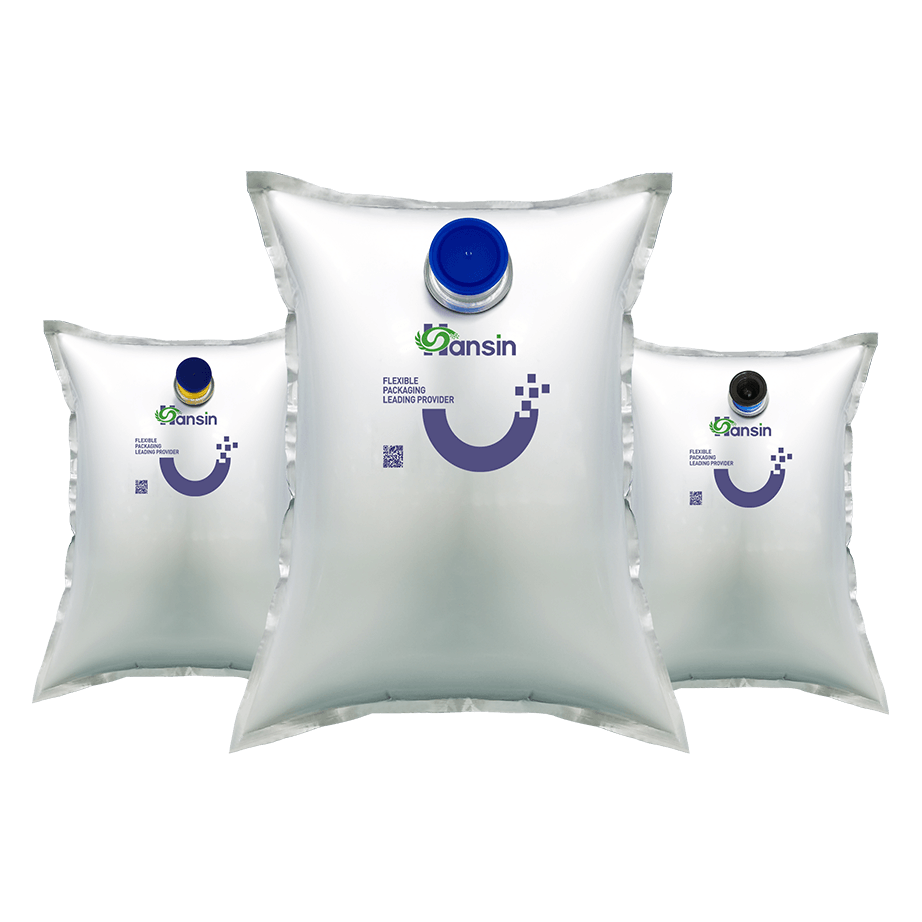
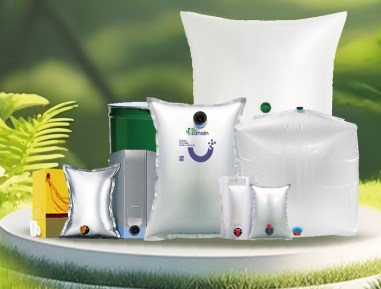
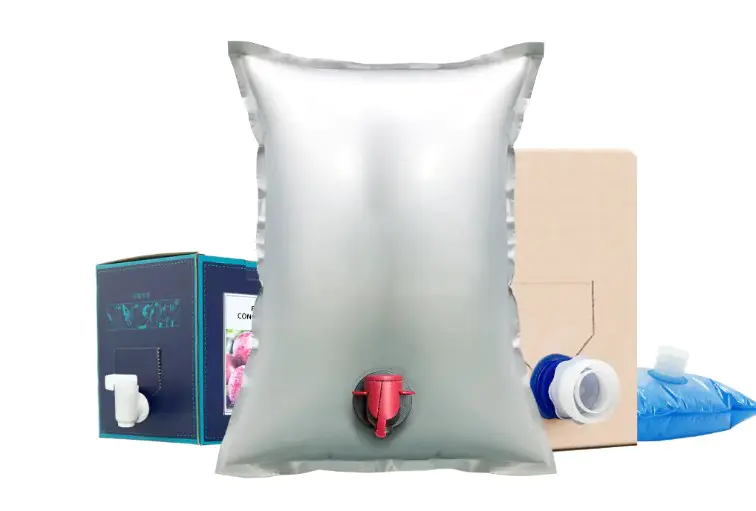
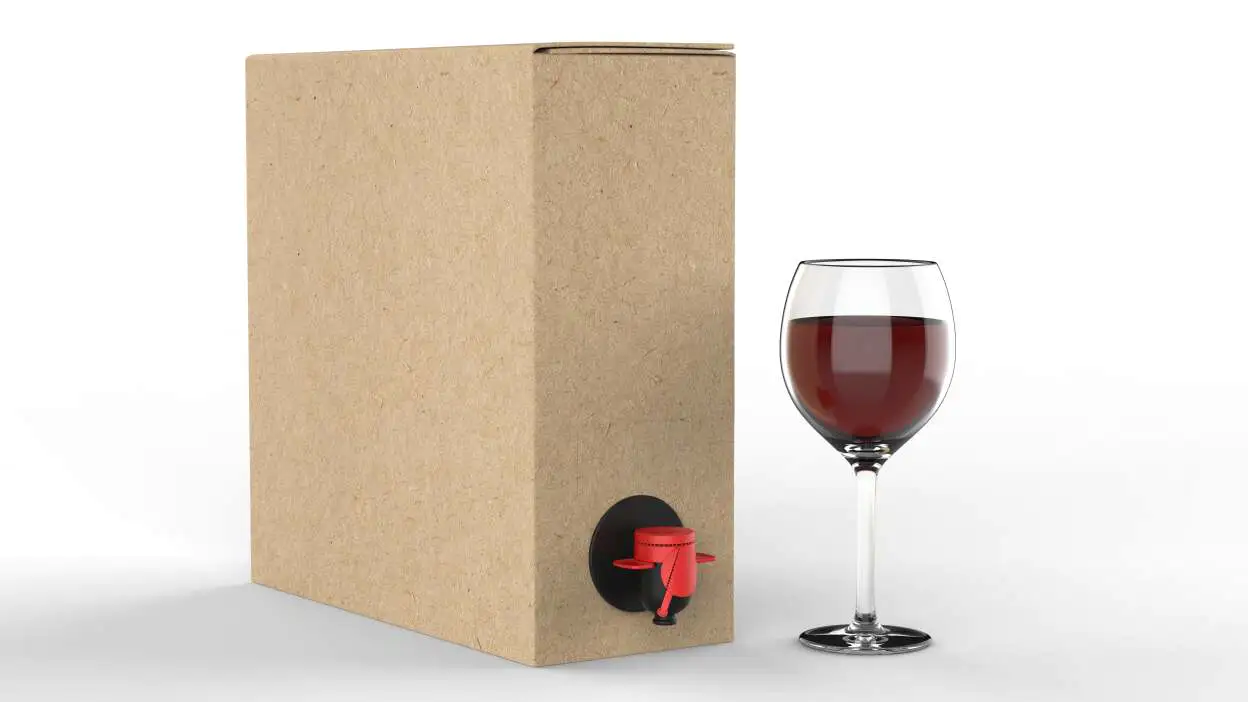
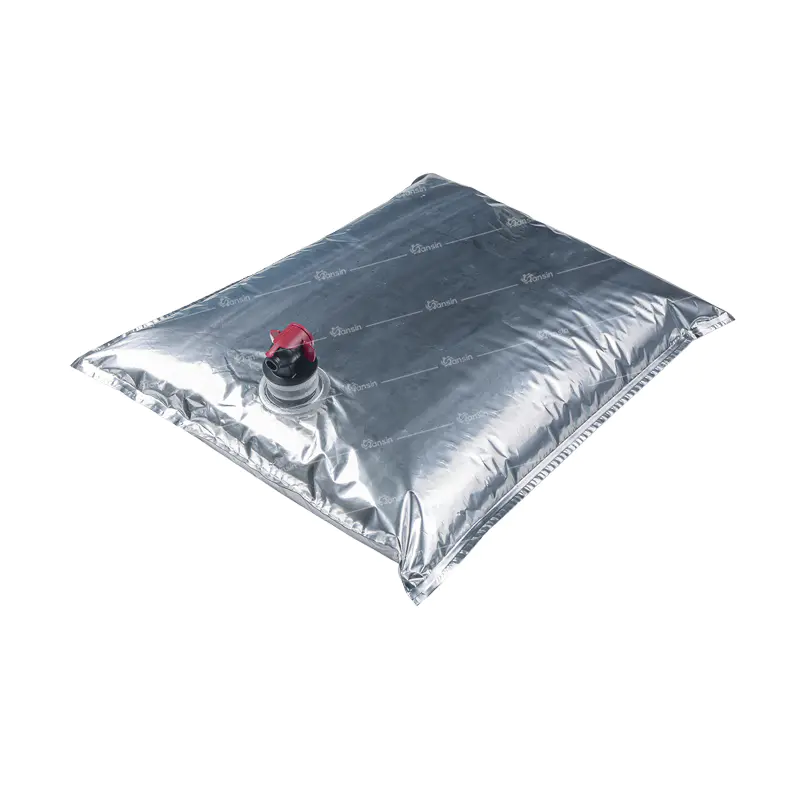
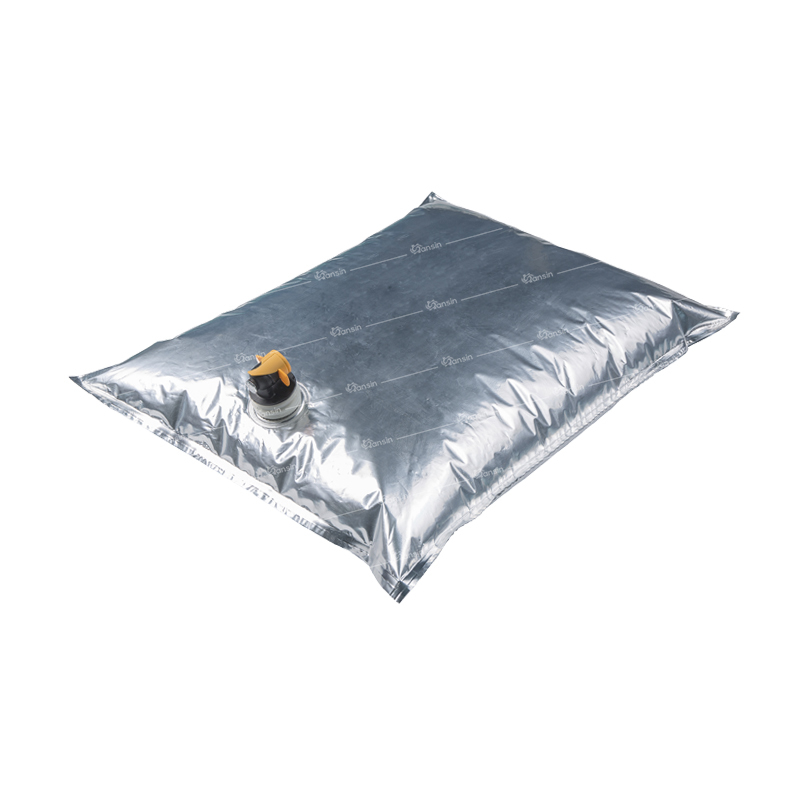
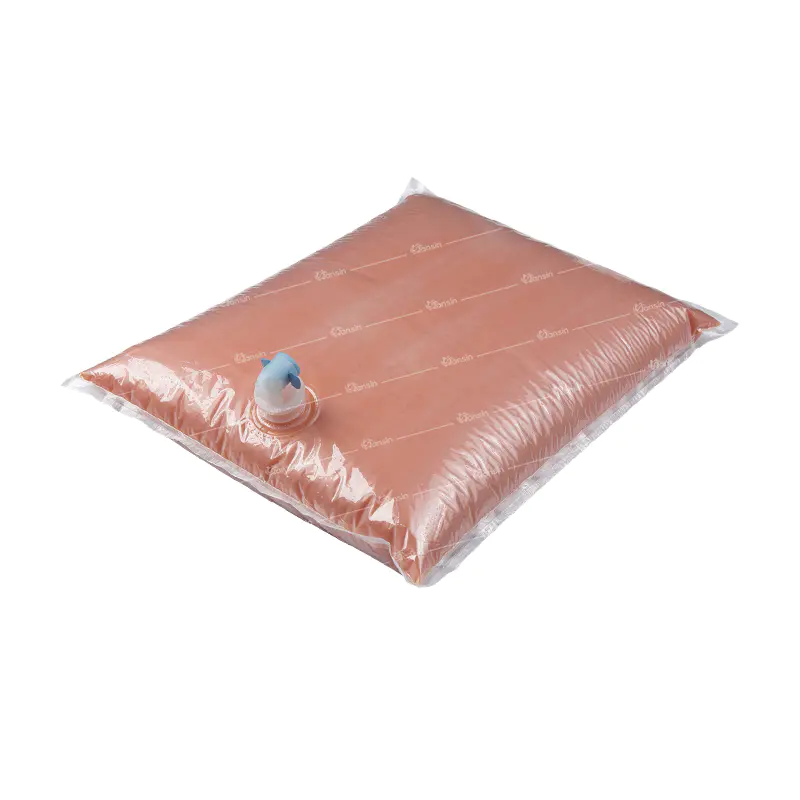
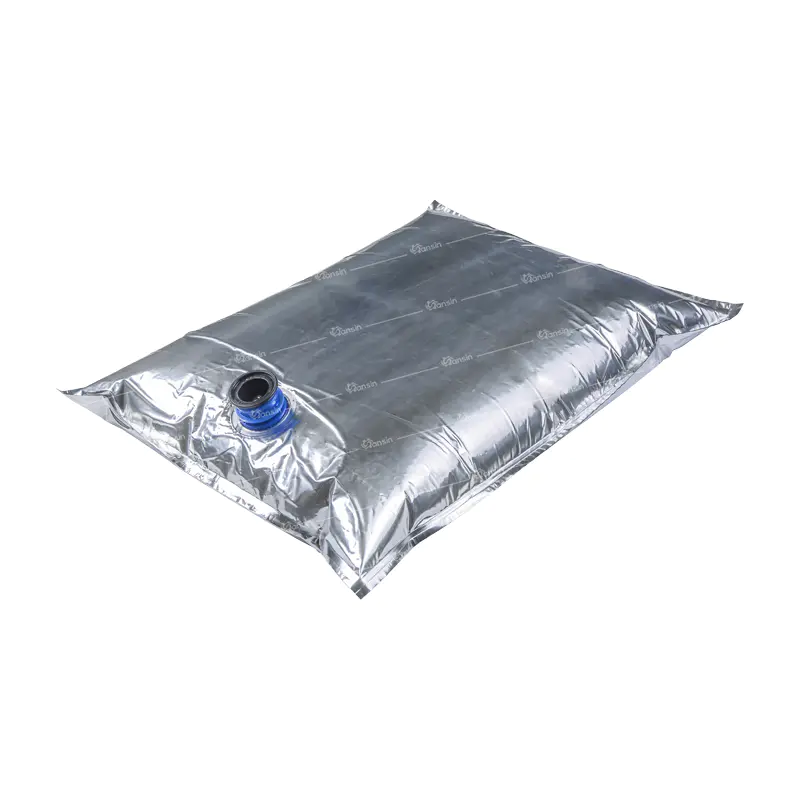
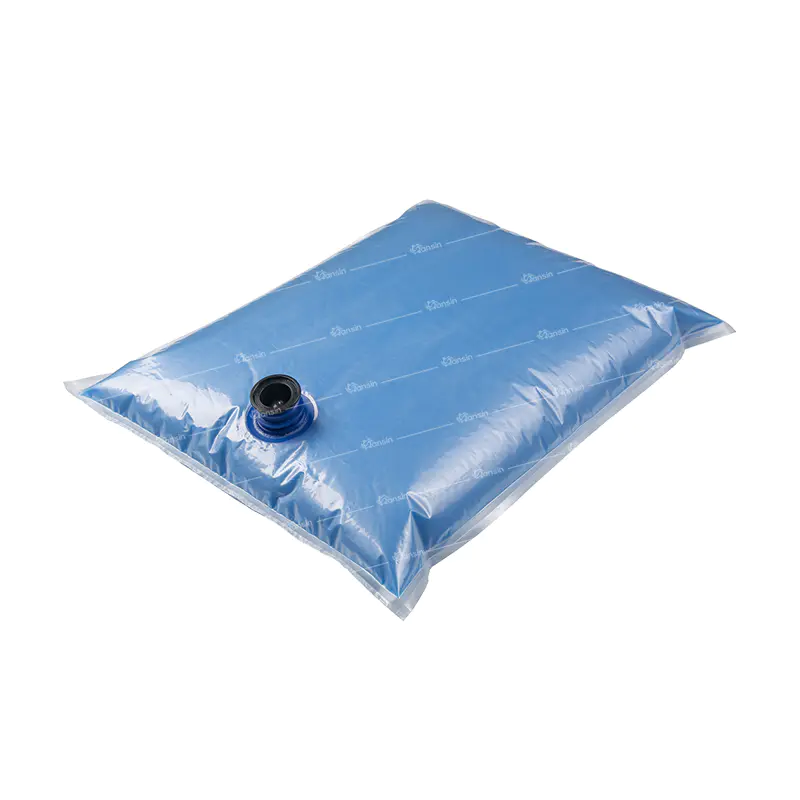
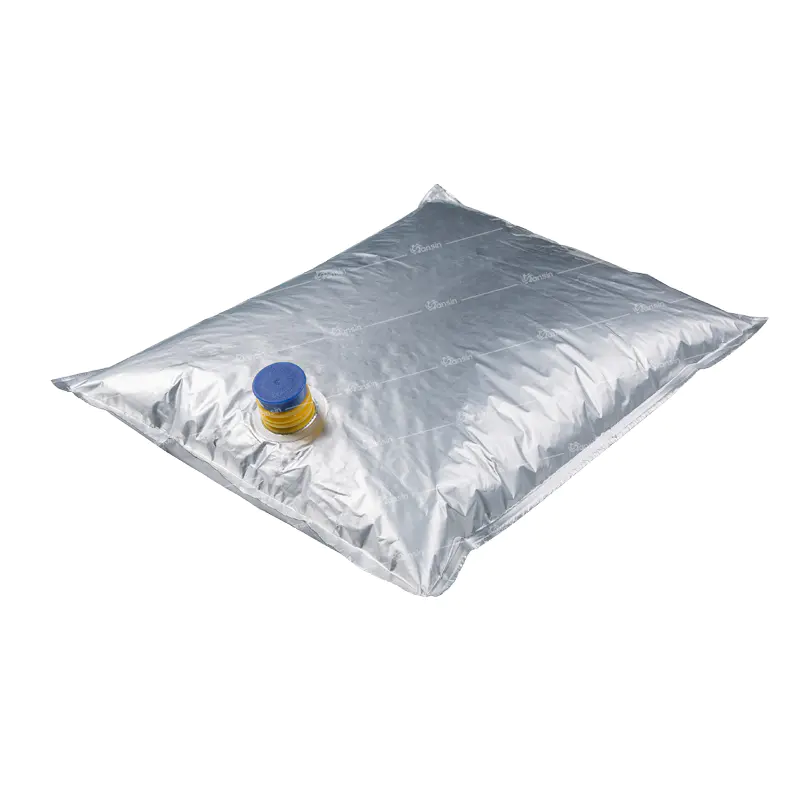
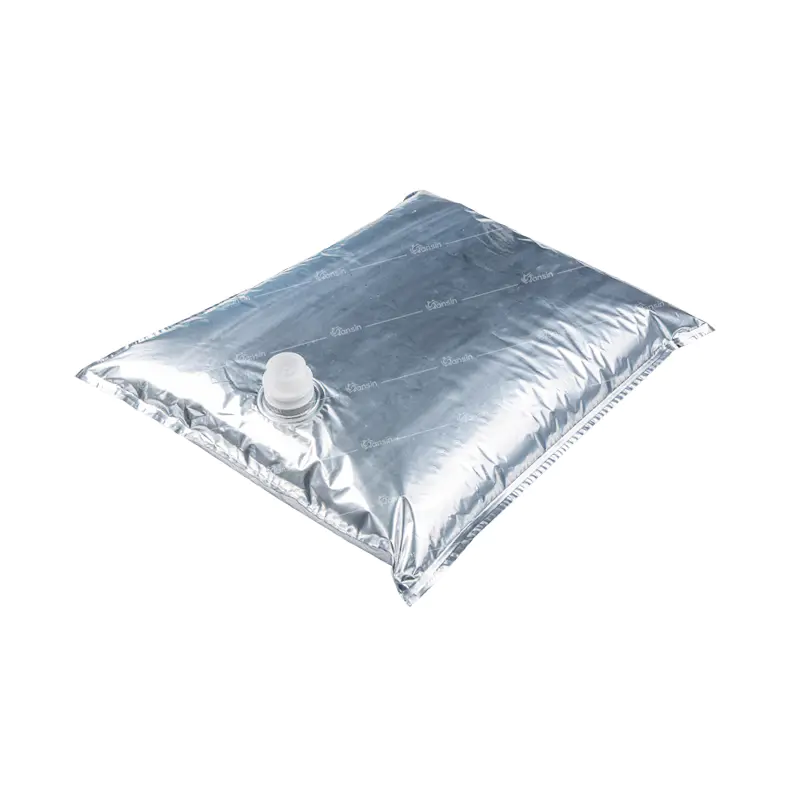
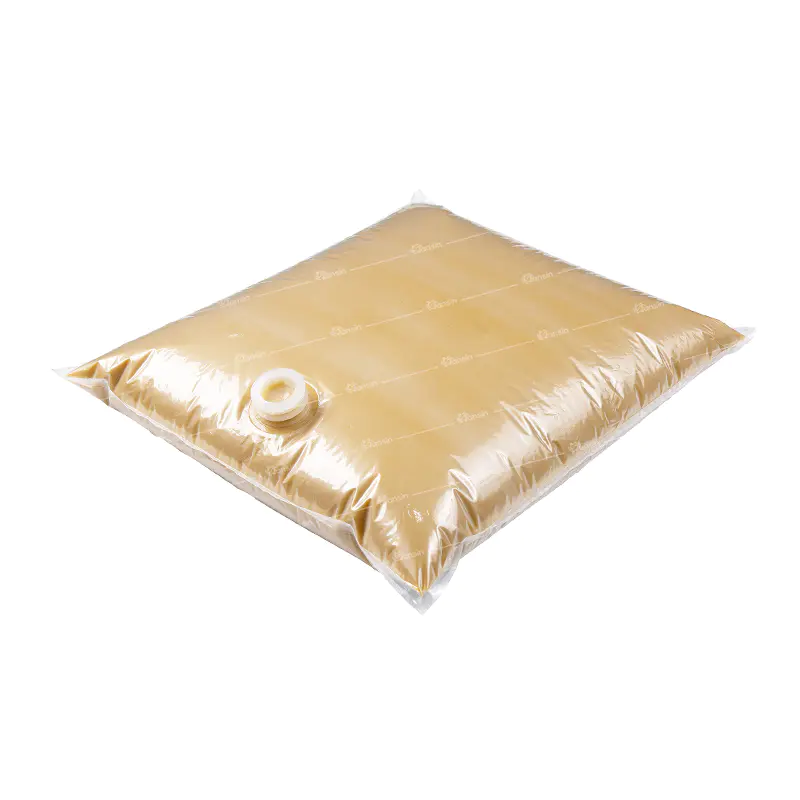
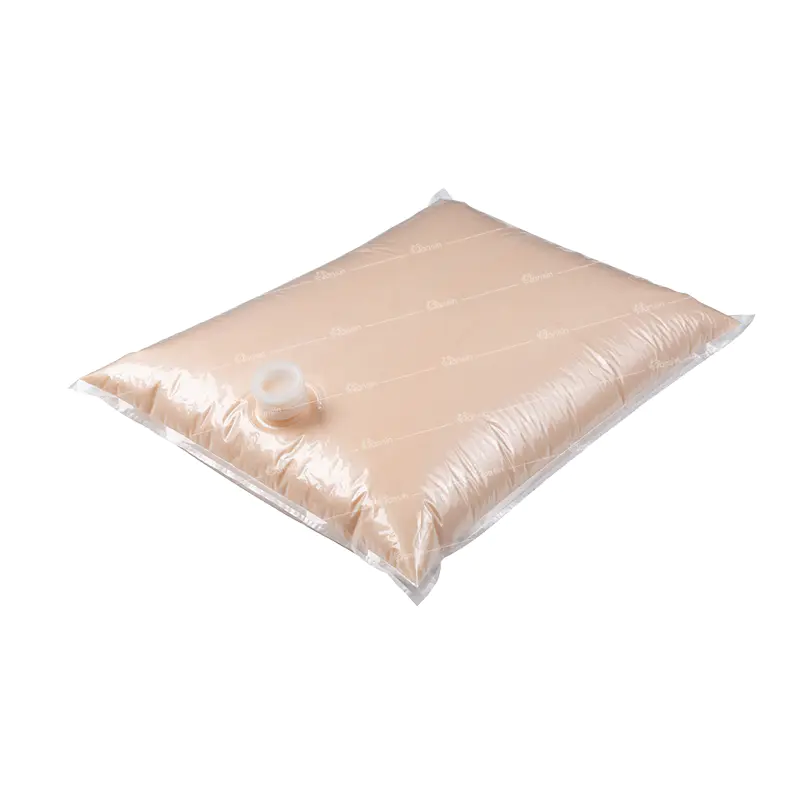
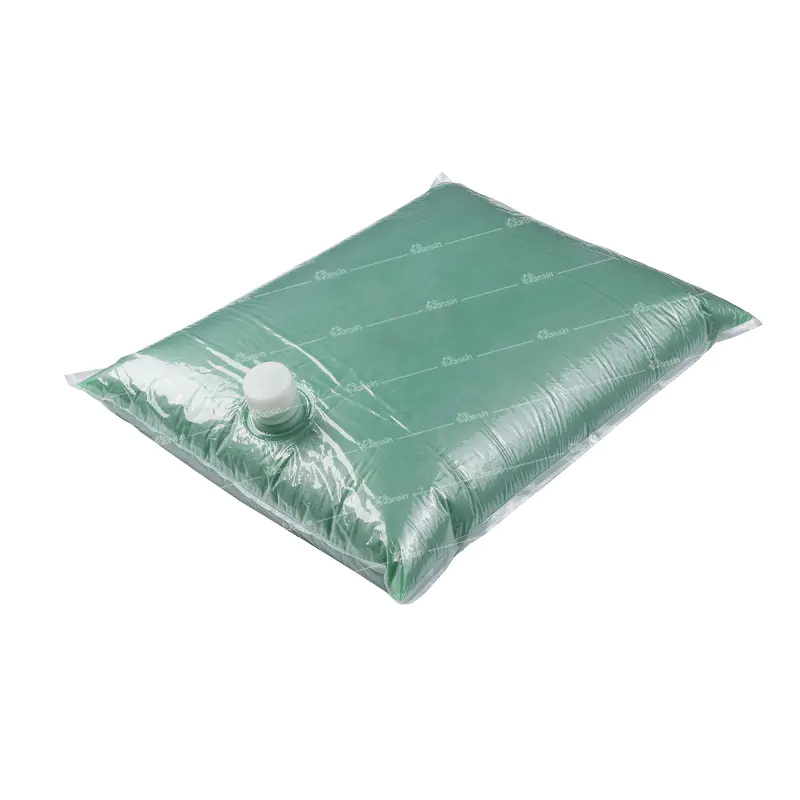
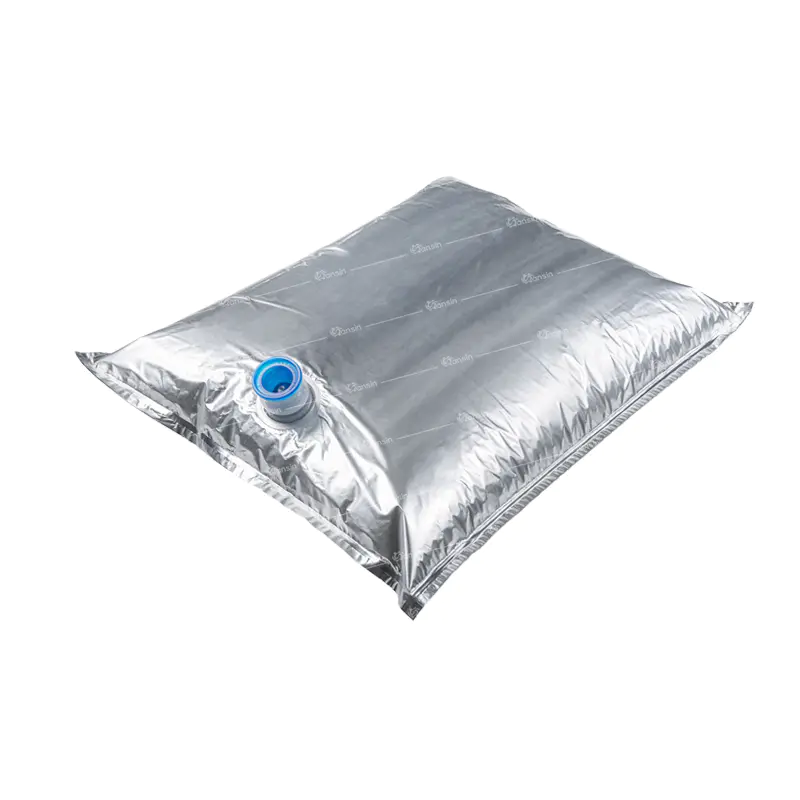
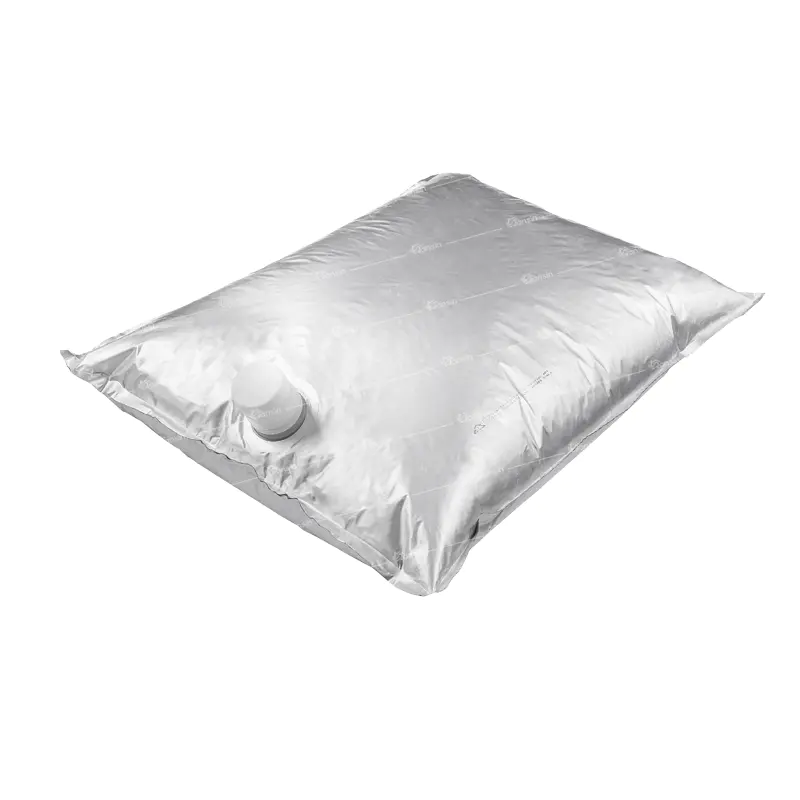
Aseptic bags are high-performance flexible packaging solutions designed to store and transport sterile liquid and semi-liquid products while maintaining product purity, freshness, and nutritional value for extended periods without cold chain support. They can preserve packaged products for 6 to 12 months under normal temperature conditions, making them an irreplaceable packaging choice in the global food, beverage, and industrial liquid industries. The core value of aseptic bags lies in their sterile production process, multi-layer barrier structure, and ability to isolate external contaminants such as bacteria, mold, oxygen, light, and moisture, fully meeting the safe storage and long-distance transportation needs of perishable products.
Unlike traditional packaging forms, aseptic bags do not require products to be stored in low-temperature environments after filling and sealing, which greatly reduces logistics and storage costs for producers. At the same time, their lightweight and foldable characteristics reduce packaging volume and transportation carbon emissions, aligning with the sustainable development trends of the global packaging industry. Whether for large-scale industrial filling lines or small-batch specialized product packaging, aseptic bags can be customized to adapt to different usage scenarios, reflecting strong practicality and versatility.
Manufacturing Process and Sterilization Principles of Aseptic Bags
The performance of aseptic bags completely depends on strict manufacturing processes and professional sterilization technology, which are the core foundations to ensure their packaging safety. The entire production process is carried out in a dust-free and sterile workshop, avoiding any contact between the packaging and external pollutants during molding and processing.
Key Steps in Aseptic Bag Production
- Raw material screening and multi-layer co-extrusion molding, selecting food-grade safe polymer materials
- High-temperature and pressure sterilization of the bag body to eliminate all microorganisms and spores
- Cooling and shaping in a sterile environment to maintain the structural stability of the packaging
- Leakage and barrier performance testing to ensure sealing and protection effects
- Aseptic packaging and storage to avoid secondary contamination before use
Sterilization Technology Standards
The sterilization process of aseptic bags adopts international universal food safety standards, achieving a sterilization efficiency of over 99.9%, which can completely kill harmful microorganisms such as bacteria, yeast, and mold. Common sterilization methods include hydrogen peroxide sterilization, high-temperature steam sterilization, and ultraviolet sterilization, which are selected according to the characteristics of packaged products and material properties of the bags. After sterilization, the interior of the aseptic bag is in a complete sterile state, and after matching with aseptic filling equipment, it can realize pollution-free packaging of products.
The entire production process is monitored by automated systems, with real-time detection of temperature, humidity, and sterility indicators to ensure each batch of aseptic bags meets usage standards. Manual operations are minimized in the production chain, effectively reducing the risk of human-induced contamination and improving the consistency and reliability of packaging quality.
Material Structure and Barrier Properties of Aseptic Bags
Aseptic bags adopt a multi-layer composite material structure, which is the key to their excellent barrier performance and physical strength. Different functional material layers are closely combined to take into account barrier properties, sealing properties, flexibility, and pressure resistance, meeting the use requirements of various filling and transportation scenarios.
Multi-Layer Material Composition
Most conventional aseptic bags consist of 3 to 7 layers of composite materials, each layer having a unique functional role. The outer layer provides wear resistance and drop resistance protection, the middle layer achieves barrier effects against oxygen and light, and the inner layer ensures food contact safety and sealing stability. This layered design makes aseptic bags far superior to single-layer plastic bags in performance and can adapt to long-term storage and long-distance transportation.
Core Barrier Performance Indicators
| Barrier Type | Protection Effect | Impact on Products |
|---|---|---|
| Oxygen Barrier | Isolate external oxygen | Prevent product oxidation and deterioration |
| Light Barrier | Block ultraviolet and visible light | Retain nutrients and flavor components |
| Moisture Barrier | Prevent moisture exchange | Maintain product concentration and texture |
| Microorganism Barrier | Block bacteria and mold | Ensure long-term sterile storage |
The multi-layer composite structure gives aseptic bags excellent tensile and puncture resistance, reducing breakage risks during handling and transportation. At the same time, the materials meet global food contact safety standards, do not contain harmful substances, and will not react with packaged products, ensuring the original taste and safety of food and beverages.
Main Application Fields of Aseptic Bags
Aseptic bags have a wide range of application scenarios, covering all industries that require sterile packaging of liquid and semi-liquid products. Their advantages of normal temperature preservation, low cost, and convenient use make them the preferred packaging solution for many producers.
Food and Beverage Industry
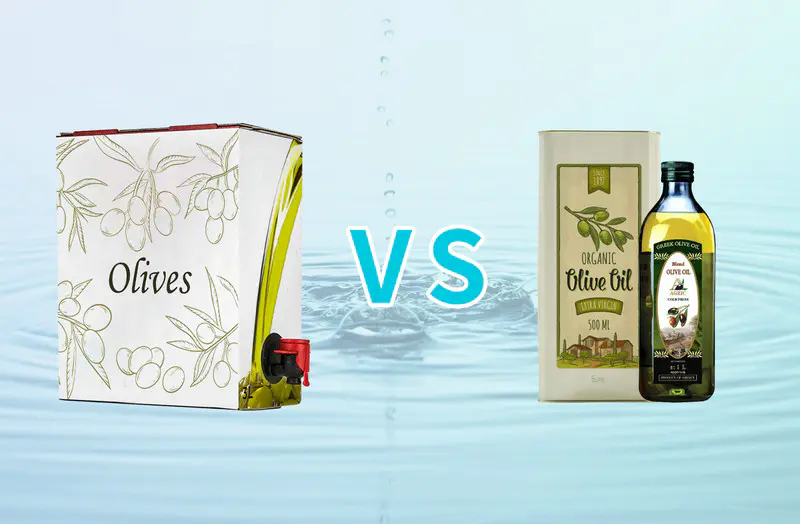
This is the largest application field of aseptic bags, mainly used for packaging dairy products, fruit juices, vegetable juices, wine, sauces, condiments, and edible oil. More than half of the global long-life fruit juices and dairy products use aseptic bag packaging, which can maintain product freshness for up to one year without refrigeration. For liquid condiments such as tomato sauce and soybean sauce, aseptic bags can isolate air and light, preventing flavor changes and mold growth, and extending shelf life.
In the field of liquid food raw materials, aseptic bags are also widely used for packaging concentrated fruit juices, milk raw materials, and edible syrup. These raw materials usually require long-distance transportation across regions, and aseptic bags can ensure that the raw materials remain sterile and unchanged during transportation, providing safe raw material guarantees for downstream processing enterprises.
Pharmaceutical and Daily Chemical Industry
In the pharmaceutical industry, aseptic bags are used for packaging oral liquids, disinfectants, medical syrups, and biological preparations, requiring higher sterility indicators to meet medical safety standards. In the daily chemical industry, they are suitable for packaging liquid detergents, shampoos, shower gels, and other products, with good sealing properties to prevent liquid leakage and volatilization.
Agricultural and Industrial Liquid Applications
Aseptic bags are used in agriculture for packaging liquid fertilizers, microbial agents, and veterinary drugs, maintaining the activity of effective ingredients. In industrial applications, they are used for packaging non-toxic industrial liquids, adhesives, and water-based coatings, with good chemical stability and no reaction with packaged substances. The large-capacity design of aseptic bags is especially suitable for industrial and agricultural large-batch packaging needs, reducing packaging costs and improving filling efficiency.
Advantages of Aseptic Bags Compared with Traditional Packaging
Compared with glass bottles, metal cans, plastic hard bottles, and other traditional packaging forms, aseptic bags have obvious comprehensive advantages in cost, performance, transportation, and environmental protection, which is the main reason for their rapid market popularization.
Cost Advantages
- Lightweight materials reduce raw material consumption and production costs by a large margin
- No need for cold chain transportation and storage, reducing logistics costs by over 30%
- Foldable design reduces storage space before filling and lowers warehouse operating costs
- Simplified filling process improves production efficiency and reduces labor costs
Performance and Convenience Advantages
Aseptic bags have better barrier properties than most traditional packaging, effectively protecting products from external environmental interference. They are highly flexible and not easy to break, with a breakage rate far lower than that of glass and hard plastic packaging during transportation. The product shelf life is equivalent to that of metal cans and glass bottles, but the weight is only one-tenth of that of them, making loading, unloading, and handling more convenient.
In terms of usage, aseptic bags can be designed with different specifications and interfaces, suitable for automated filling lines and manual filling operations, with strong adaptability. They can be customized in size and capacity according to user needs, ranging from small retail packages to large industrial bulk packages, fully meeting diversified usage scenarios.
Environmental Protection and Sustainable Development Advantages
The production of aseptic bags consumes less energy and produces fewer carbon emissions than glass and metal packaging. Most modern aseptic bag materials can be recycled and processed, reducing environmental pollution. Their lightweight characteristics reduce fuel consumption during transportation, in line with the global low-carbon development trend.
Compared with disposable hard plastic packaging, aseptic bags generate less waste after use and are easier to collect and process, helping enterprises reduce environmental costs and meet increasingly strict environmental protection regulations.
Selection Criteria for Aseptic Bags
Choosing the right aseptic bag needs to comprehensively consider product characteristics, storage cycle, transportation conditions, and filling equipment to ensure packaging performance and use effects. The following are the core selection criteria that users need to focus on:
Determine According to Product Properties
For acidic products such as fruit juices, select aseptic bags with acid corrosion resistance and enhanced oxygen barrier; for oily products, choose materials with oil resistance; for high-viscosity liquids such as sauces and dairy products, prioritize bags with good smoothness and easy filling; for products sensitive to light, such as vitamins and functional drinks, use light-blocking aseptic bags to avoid nutrient loss.
Determine According to Storage and Transportation Cycle
If the product needs to be stored for more than 6 months, select high-barrier multi-layer aseptic bags; for short-term storage within 3 months, conventional barrier bags can meet the demand. For long-distance cross-border transportation, choose aseptic bags with enhanced tensile and puncture resistance to avoid breakage caused by bumps and extrusion during transportation.
Match with Filling Equipment and Capacity Requirements
The size, interface, and sealing method of aseptic bags must match the filling equipment to ensure smooth automated production. The capacity selection should be based on actual usage, with bulk capacity for industrial raw materials and small capacity for retail products to improve product circulation efficiency.
Safety and Standard Certification
Select aseptic bags that meet international food safety standards, with complete production and sterilization records. Products certified by food safety authorities have higher security and can avoid quality risks during use. At the same time, check the sealing performance and sterility test reports of the packaging to ensure stable and reliable quality.
Usage Specifications and Storage Requirements of Aseptic Bags
Correct use and storage methods can maximize the performance of aseptic bags, extend the shelf life of packaged products, and avoid quality problems caused by improper operation.
Pre-Filling Inspection and Operation
Before use, check the appearance of aseptic bags for damage, cracks, or air leakage, and discard unqualified products. The filling environment must be kept clean to avoid secondary contamination of the bag body. Strictly follow the equipment operating procedures for filling, control the filling volume, and leave a suitable space for sealing to ensure complete sealing without liquid leakage.
Sealing and Storage Conditions
After filling, use professional sealing equipment to heat-seal the bag mouth, and check the sealing firmness. Store the packaged products in a cool, dry environment away from direct sunlight and high-temperature areas. The optimal storage temperature is 5°C to 30°C, avoiding extreme temperature changes that affect the packaging structure and product quality.
Transportation and Handling Precautions
- Avoid sharp objects such as ironware and gravel during handling to prevent puncturing the bag body
- Stacking height should be controlled to avoid crushing the bottom packaging due to excessive weight
- Use shockproof materials during transportation to reduce vibration and collision damage
- Do not place with corrosive or contaminated items to maintain packaging cleanliness
Regularly check the packaged products during storage, and deal with any problems such as bag expansion, leakage, or deformation in a timely manner. Following standardized operation procedures can ensure that aseptic bags exert their maximum protective effect and maintain the quality and safety of products throughout the shelf life.
Development Trends and Future Prospects of Aseptic Bags
With the growth of global demand for safe, convenient, and environmentally friendly packaging, aseptic bags are constantly upgrading in materials, technology, and functions, and their application scope will continue to expand.
Biodegradable and Environmentally Friendly Materials
The future mainstream development direction of aseptic bags is the application of biodegradable polymer materials, which can be naturally degraded after use, reducing environmental pressure. Biodegradable aseptic bags will gradually replace traditional plastic materials and become the mainstream choice in the market, meeting the global demand for green packaging and the increasingly strict environmental protection policies.
Intelligent and Functional Innovation
New-type aseptic bags will integrate intelligent monitoring functions, which can real-time display the temperature, sterility, and shelf life of packaged products, helping users grasp product quality status. At the same time, functional upgrades such as anti-counterfeiting, tamper-evident, and easy-tearing seals will improve the safety and convenience of use, adapting to the high-end and refined development of products.
Expansion of Application Scenarios
Aseptic bags will be more widely used in emerging fields such as prepared food, functional health products, and biological preparations. The demand for small-package, portable, and customized aseptic bags will increase significantly, meeting consumers' demand for convenient and safe packaged products. In the global food trade, aseptic bags will become the core packaging to promote cross-regional circulation of liquid products due to their normal-temperature preservation and low-cost advantages.
Automated and Intelligent Production
The production of aseptic bags will develop towards full automation and intelligence, with artificial intelligence and digital systems monitoring the entire production process, further improving product consistency and reducing production costs. The customized production cycle will be greatly shortened, meeting the rapid response needs of different users for personalized packaging.
In summary, aseptic bags, as an efficient, safe, and economical packaging solution, will always occupy an important position in the global liquid product packaging market. With technological innovation and market demand promotion, their performance will be continuously optimized, and their application value will be further improved, providing reliable packaging support for the safe storage and circulation of various liquid products.